
Gaia: Track Miles: 6.2mi Duration: 2:27
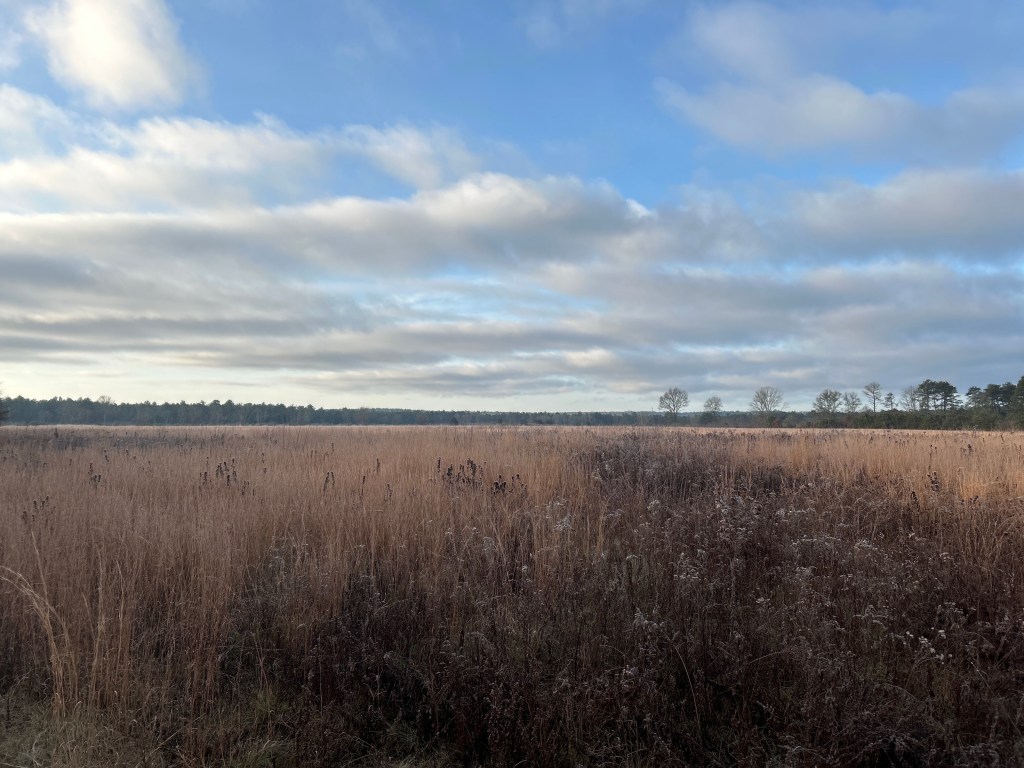
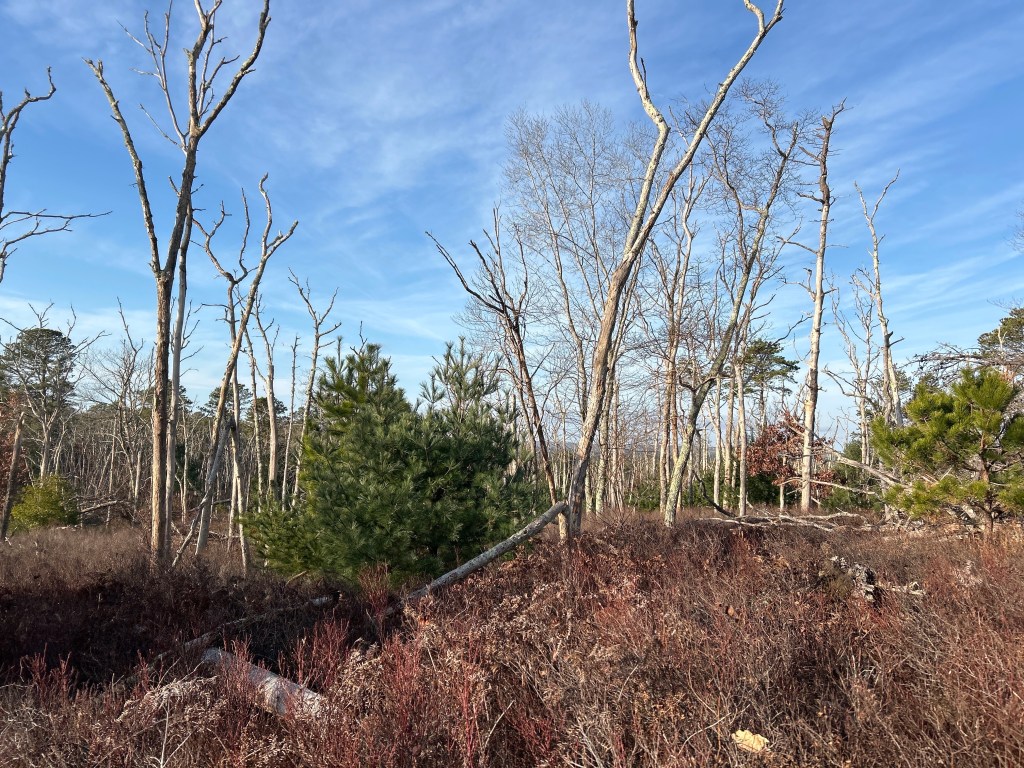
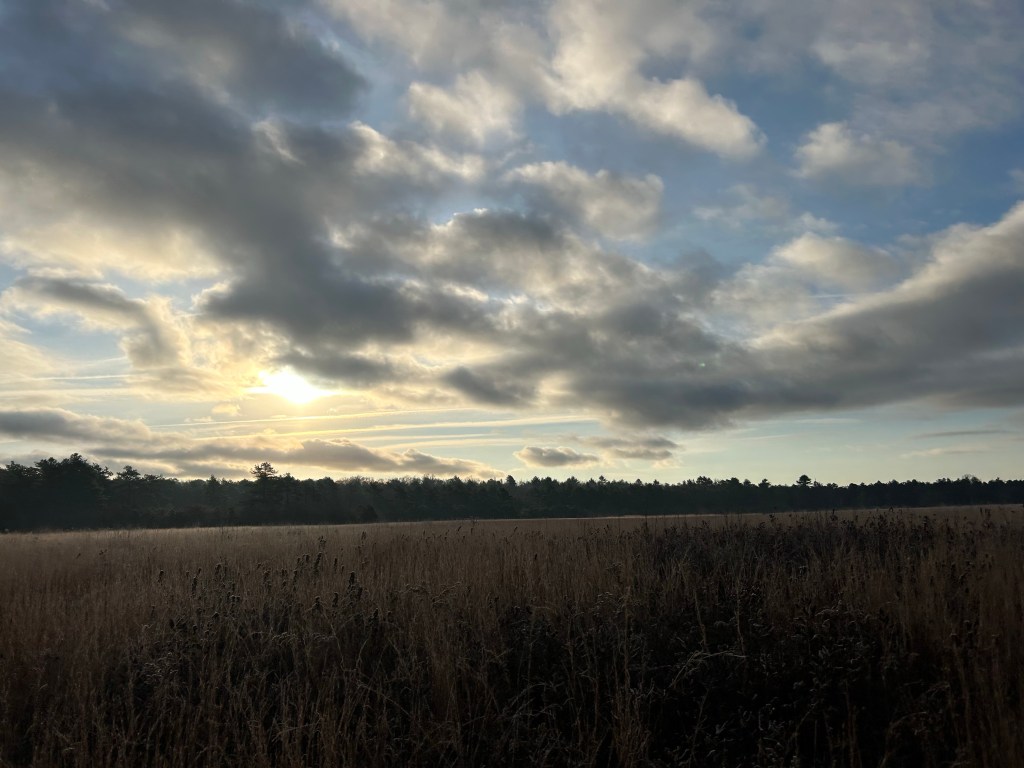
This 1,100-acre haven of the Carter Memorial Preserve, managed and protected by The Nature Conservancy, is more than just a network of well-marked trails for hikers, horseback riders, and mountain bikers. It’s a living window into time. As the group hiked through the trails, it’s hard not to envision farmers tilling the flat, fertile fields that now host a forest of trees, shrubs, and even a 60 acre field. As we hiked through the trails, the landscape shifts from loose rocky trails with ascending and descending hills to flat wide trails and eventually the open field.
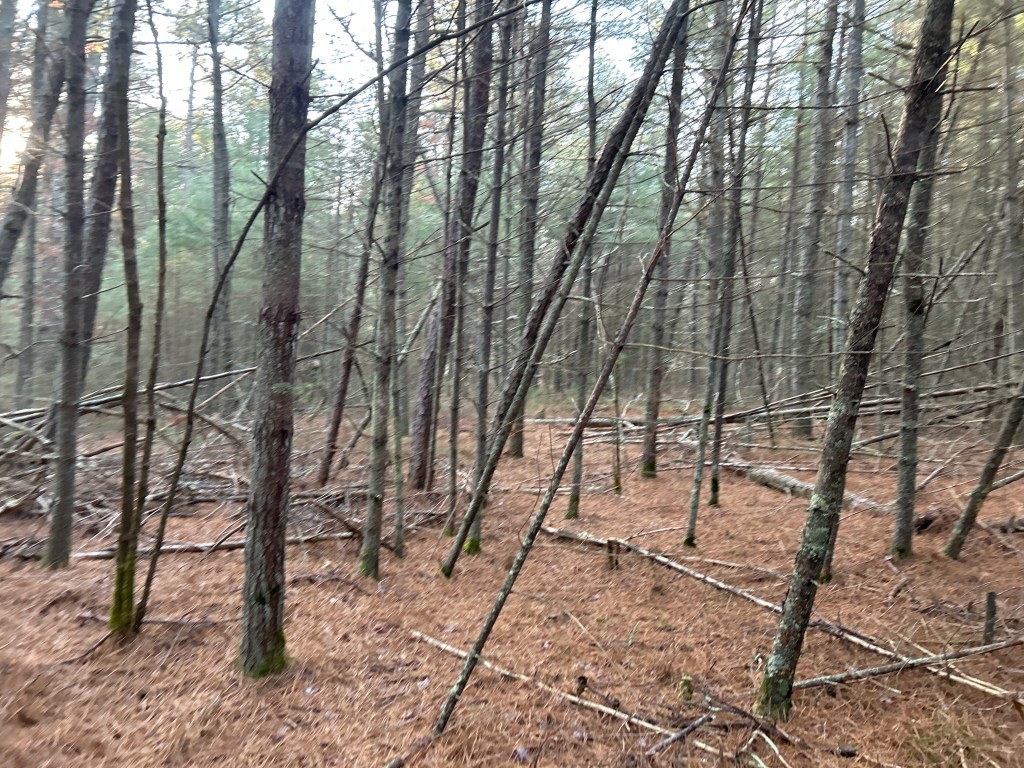
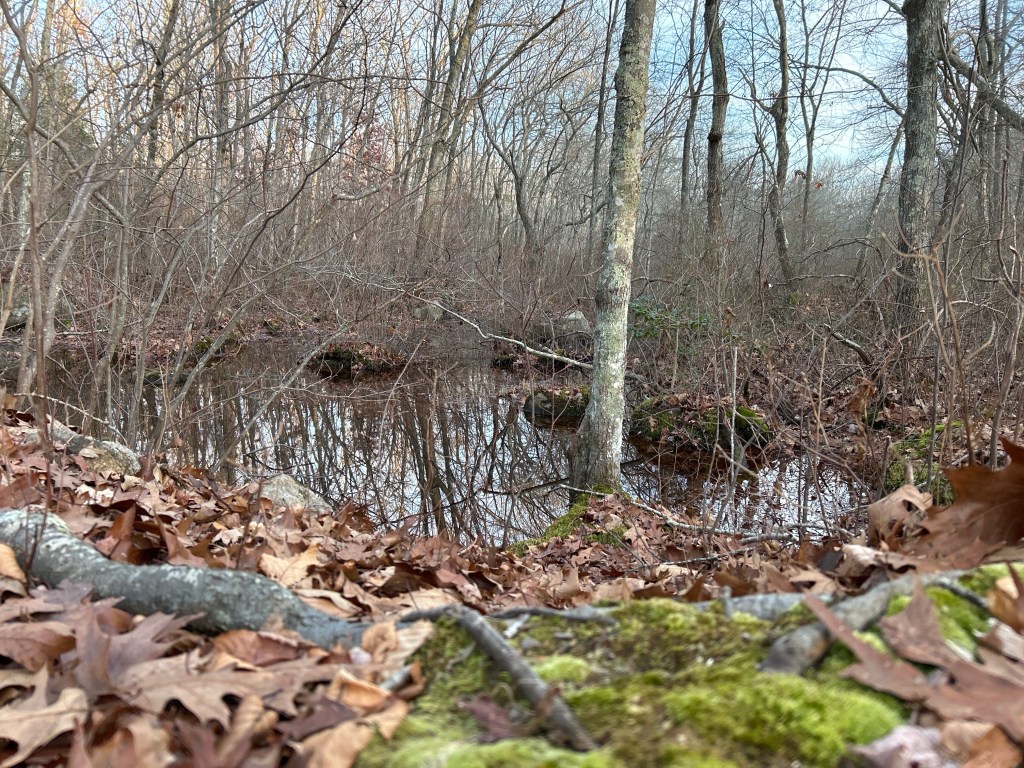
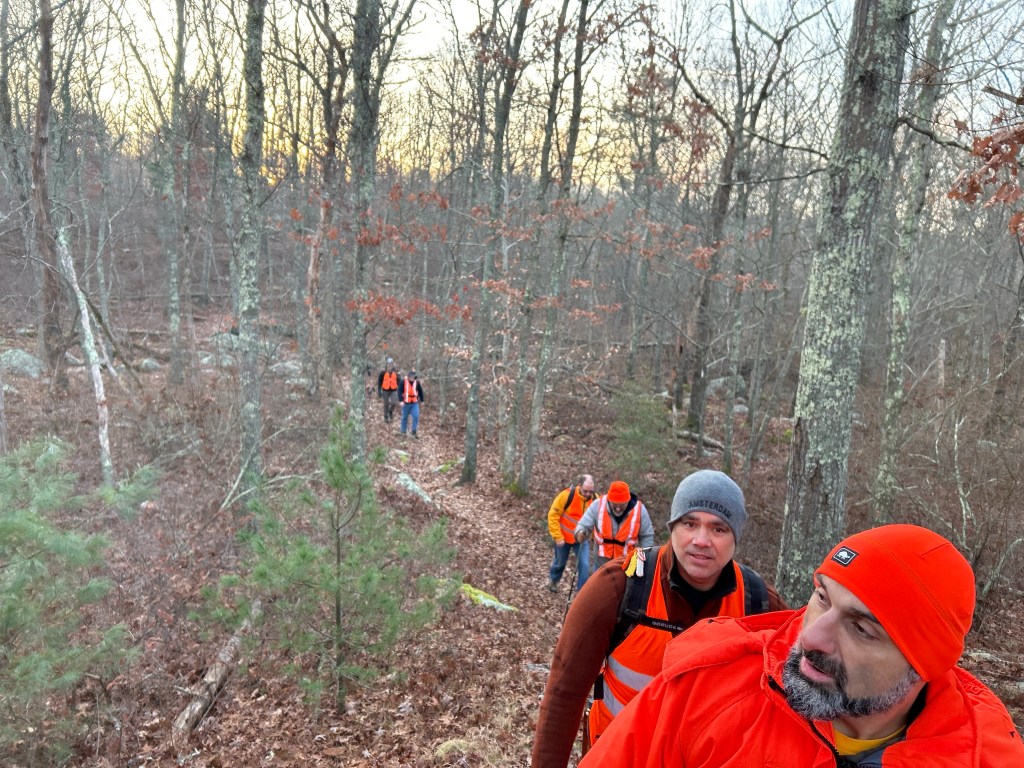
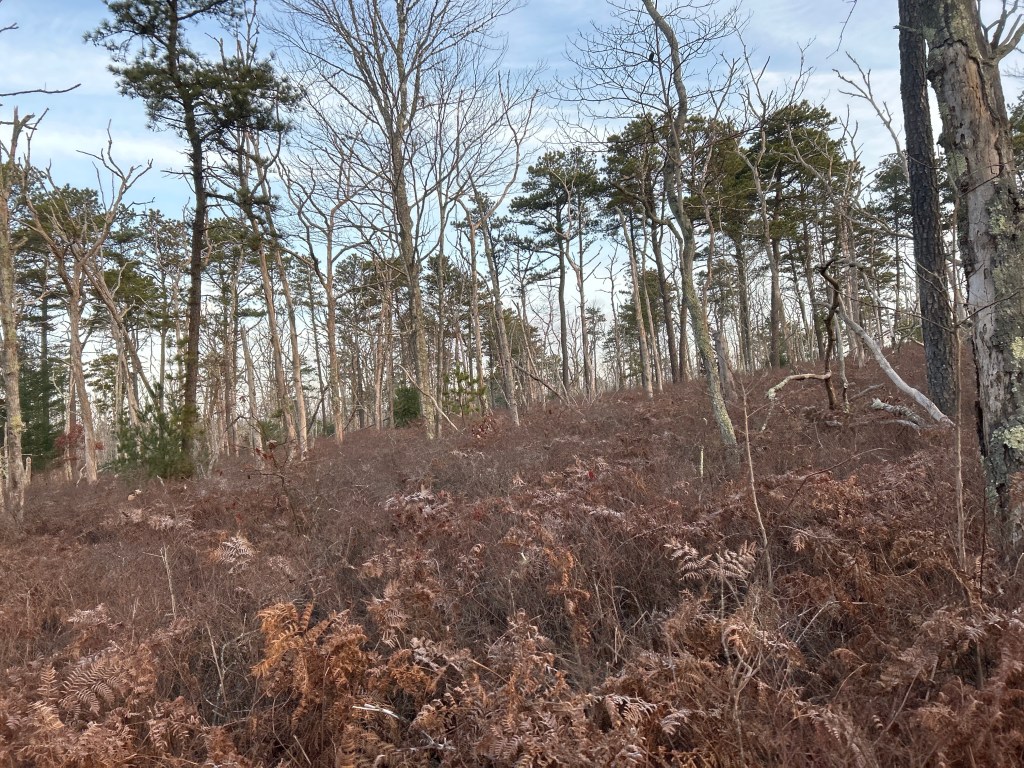
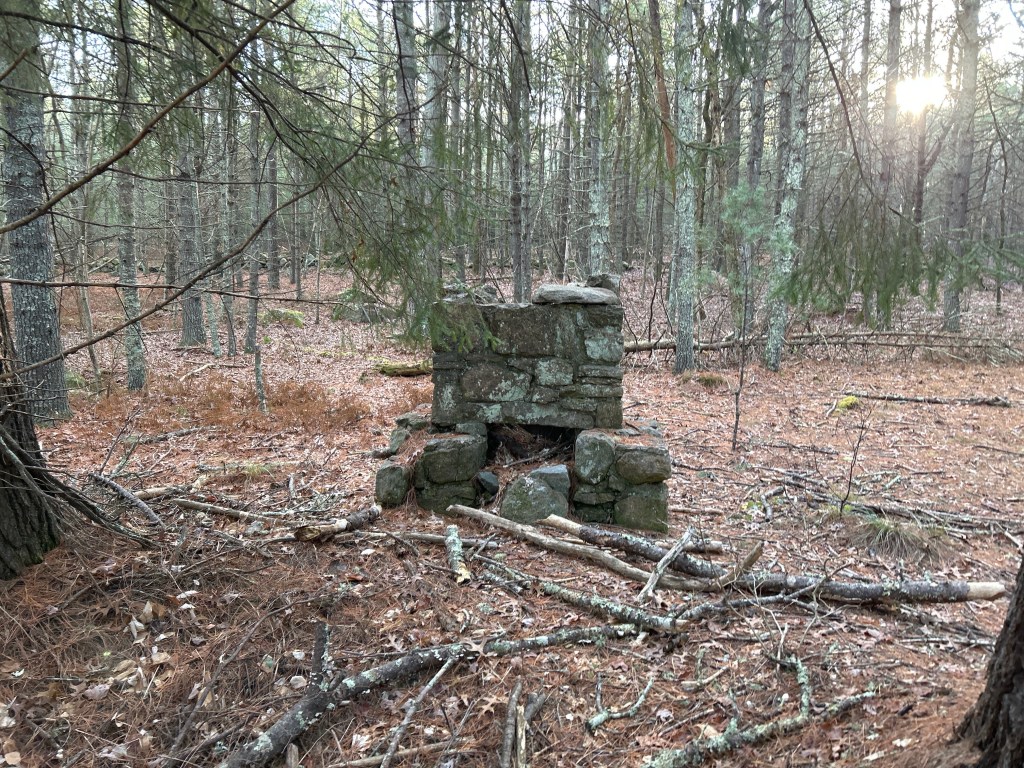
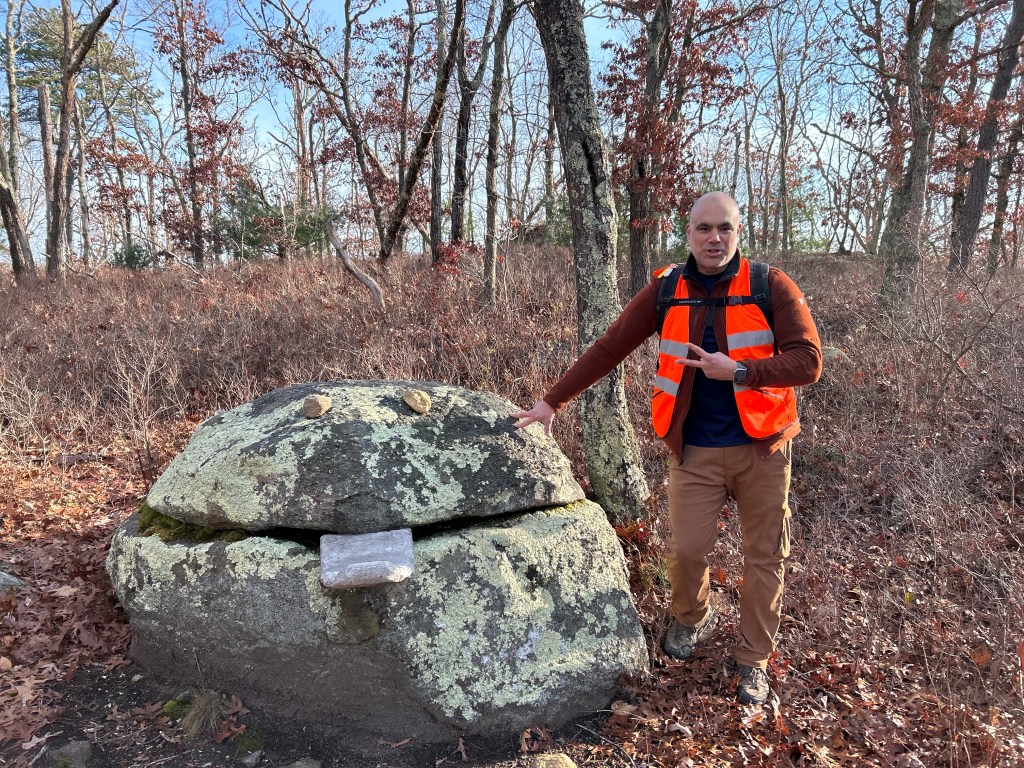
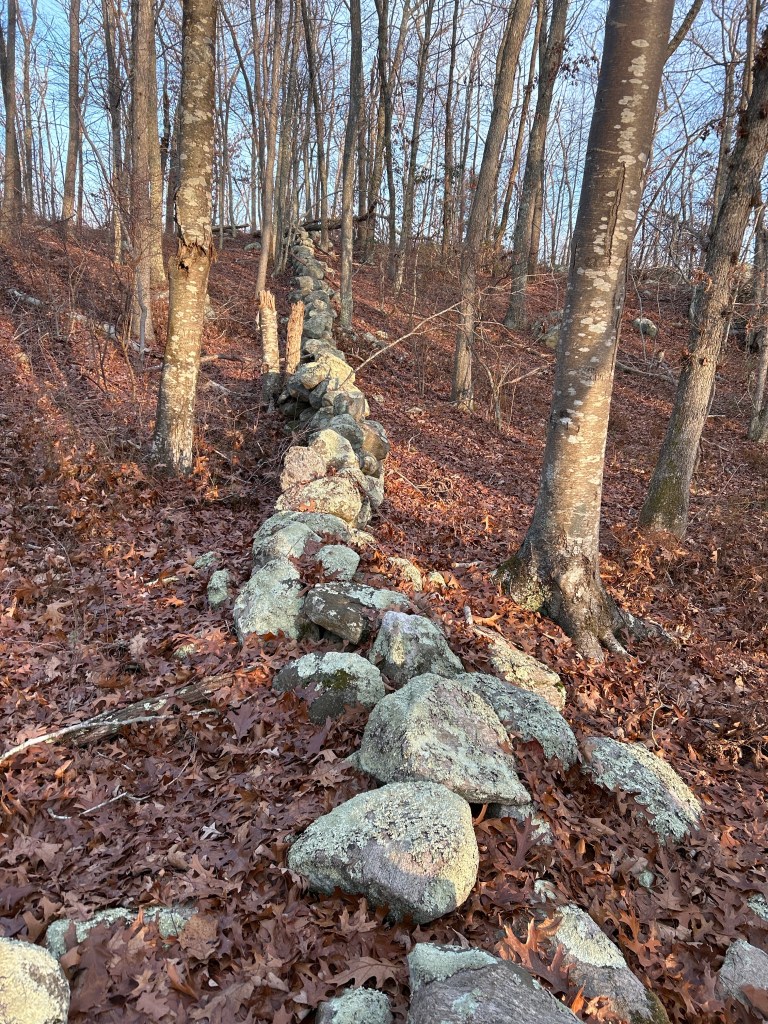
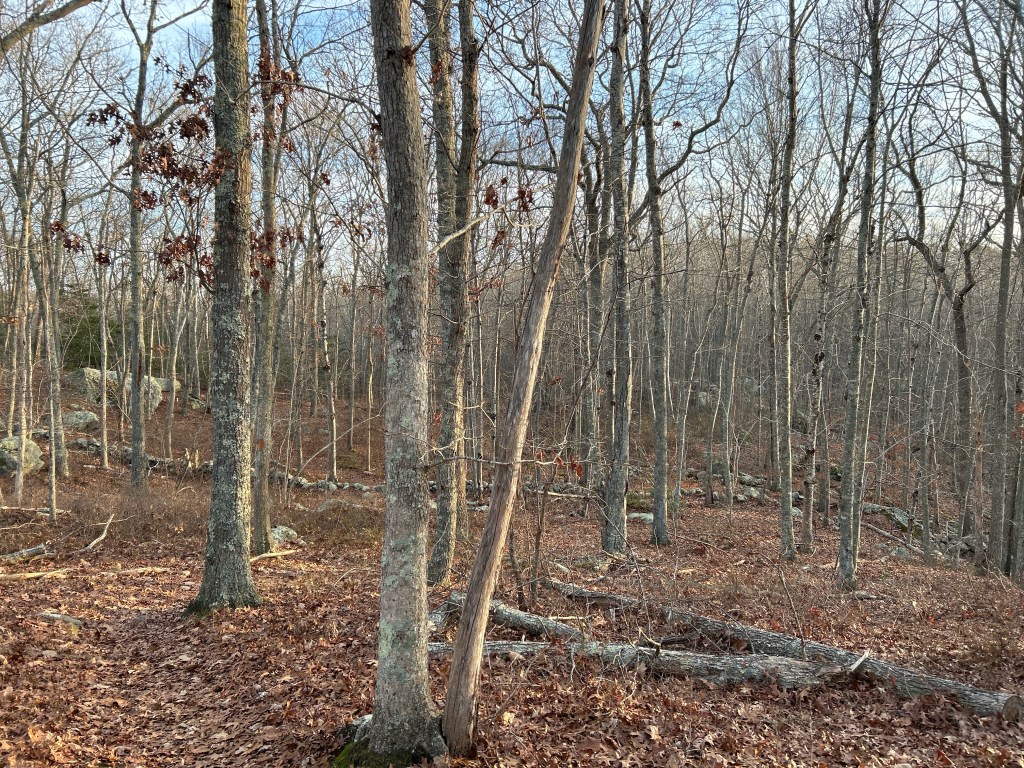
Scattered throughout we saw glacial erratic, boulders from as far up as New Hampshire and Maine, stand as testament to the icy grip that once held Rhode Island. But time marches on, and although the melting glaciers have left the glacial erratic, you can start to see remnants of another era from just 200 years ago when agriculture was prominent in New England. Rock walls still stand where farmers separated livestock and crops.
However, it’s a darker chapter that drew us to Carter Memorial Preserve. The tale of the United Nuclear Corp. (UNC) and the tragic accident that befell Robert Peabody in 1964 casts a long shadow. UNC, founded in 1961, recovered usable uranium from previously used uranium from nuclear reactors. Robert Peabody, who was 37 years old, married, and a father of 9 children, worked at UNC as a second job to earn extra money to care for his family. On the evening of June 24, 1964, while recovering uranium, Robert accidentally added the wrong chemical to a vat which triggered an explosion, hitting Robert with 100,000 times the radiation of a modern day X-ray. The issue was not negligence on Robert’s part, but instead a result of poor processes and labeling at UNC. Unfortunately, this accident took Robert’s life within two days.
The factory continued to operate for 16 more years and eventually closed their doors in 1980. Upon the closing, UNC and the federal government spend millions of dollars over several decades to decontaminate the area, eventually opening the area to the public in 2011. You can still see the road leading into the plant and the footprints of where the buildings once stood. If you are interested in learning more about UNC and this tragic accident, there are many articles written on the topic available on the internet.
This hike wasn’t just a physical journey; it was a pilgrimage through time. Each step echoed with the ghosts of glaciers, farmers, and a life tragically cut short.
Bonus: Dive deeper into the UNC story and Robert Peabody’s legacy by watching the linked video. It offers a bird’s-eye view of the former facility and a glimpse into the tragedy that forever changed this land.

 Rhode Island Hiking
Leave a comment